Shockwave Therapy Benefits: Three Things to Know
Focused shockwave therapy has become an increasingly well-researched treatment for many musculoskeletal conditions, including chronic tendon injuries, plantar fasciitis, calcific shoulder tendinitis, and certain causes of persistent joint pain.
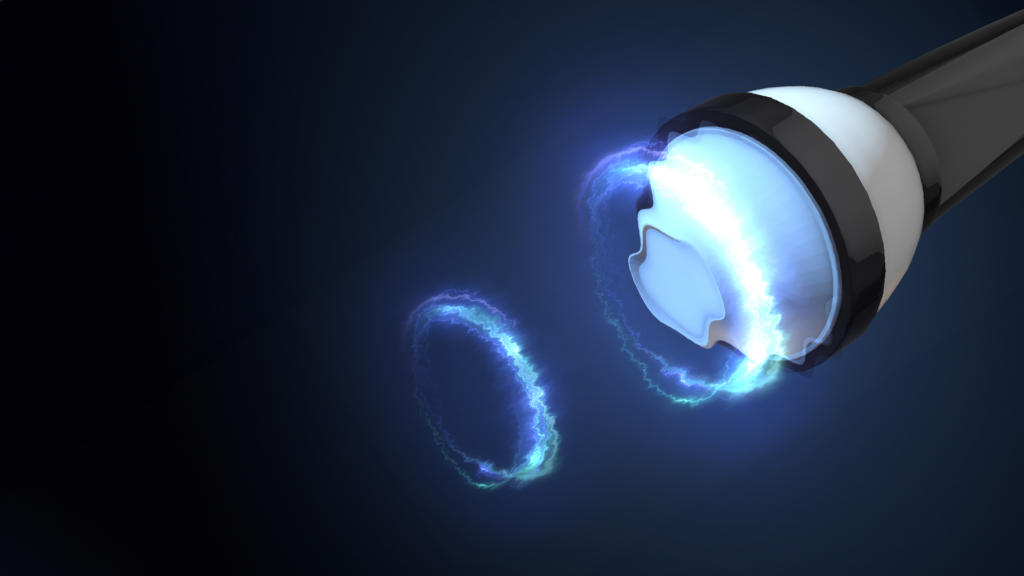
Unlike injections or surgery, shockwave therapy works by delivering precisely controlled acoustic energy (sound waves) that stimulates the body’s own repair mechanisms.
If you’re considering shockwave therapy for joint pain, here’s a brief overview of how it works.
1. Shockwave Therapy Doesn’t Just Mask Pain—It Stimulates Healing
Many traditional treatments focus primarily on reducing symptoms. Shockwave therapy is different because it creates a controlled mechanical stimulus (a focused sound wave) that encourages the body to begin repairing damaged tissue.
Research suggests shockwave therapy can:
- Improve local blood vessel formation (angiogenesis)
- Stimulate tissue remodeling
- Activate mechanotransduction pathways that convert mechanical signals into biological responses
- Promote healthier tendon and connective tissue function
Rather than replacing damaged tissue, shockwave encourages the body to do what it was designed to do—heal.
2. It Has Strong Scientific Support for Many Common Conditions
Over the past two decades, hundreds of clinical studies have evaluated shockwave therapy.
Among the conditions with particularly strong evidence are:
- Plantar fasciitis
- Achilles tendinopathy
- Tennis elbow
- Calcific shoulder tendinitis
- Patellar tendinopathy
Numerous systematic reviews have concluded that focused extracorporeal shockwave therapy can significantly reduce pain and improve function, particularly when conservative treatments have not provided lasting relief.
3. Mechanical Energy Is Biological Information
One of the most fascinating discoveries in modern biology is that cells don’t respond only to chemicals—they also respond to mechanical forces.
Every tendon, ligament, bone, and muscle contains cells capable of sensing mechanical stimulation through a process called mechanotransduction. Shockwave therapy harnesses this natural communication system by delivering a brief mechanical signal that tells cells to increase repair activity.
This concept is similar to how exercise strengthens bone or how appropriate loading helps tendons remodel. The body interprets mechanical input as biological instruction.
For many patients, this makes shockwave therapy a unique option because it works with the body’s natural physiology instead of attempting to override it.
Shockwave Therapy in Our Office
At Levante, we offer premium focused shockwave therapy called Stemwave, which utilizes the most advanced electrohydraulic sound wave generation technology available to date.
This allows us to treat conditions more comfortably than other shockwave therapy devices- patients report little to no discomfort during treatment. The Stemwave focused sound waves also can reach deeper joints such as the hip and spine that cannot be treated effectively with less advanced shockwave devices.
If you would like to schedule a consultation for our Stemwave focused shockwave therapy, we offer the consultation, examination and first visit at a discounted rate of $69.
Click here to schedule your first shockwave visit.
References
- Schmitz C, et al. Focused Extracorporeal Shock Wave Therapy for Musculoskeletal Disorders. Journal of Orthopaedic Surgery and Research. 2015.
- Speed C. A Systematic Review of Shockwave Therapies in Soft Tissue Conditions. British Journal of Sports Medicine. 2014.
- Wang CJ. An Overview of Shockwave Therapy in Musculoskeletal Disorders. Chang Gung Medical Journal. 2003.
- d’Agostino MC, et al. Extracorporeal Shock Wave as Biological Therapeutic Tool: From Mechanical Stimulus to Regenerative Response. Journal of Biological Regulators and Homeostatic Agents. 2015.